
The Unseen Foundation: Why Professional Site Prep is Crucial for a Thriving Rain Garden
Living in the Pacific Northwest, we’re no strangers to the drizzle. While our lush, evergreen landscape thrives on it, all that water can create challenges for homeowners, from soggy lawns to uncontrolled runoff. A rain garden is an increasingly popular solution—a beautiful, sustainable way to manage stormwater right in your own yard. But a successful rain garden is much more than just a collection of water-loving plants. Its long-term success and effectiveness depend entirely on the expert groundwork that happens before the first plant goes in. Here in the Seattle area, getting the site preparation right is the key to turning a potential drainage problem into a beautiful, functional landscape feature. With over two decades of experience, we’ve seen firsthand that the most critical steps are the ones you can’t see.
What Makes a Rain Garden Work? It's All About the Base.
A rain garden is a specially designed and constructed garden bed that collects, holds, and filters stormwater runoff from roofs, driveways, and other hard surfaces. Unlike a simple flower bed, its primary job is to slow down the flow of water, allowing it to soak naturally into the ground. This process helps recharge groundwater, filters out pollutants, and prevents erosion and overwhelming of local storm drains.
However, for a rain garden to perform this function correctly, it needs to be built with precision. Simply digging a hole and adding some plants can lead to a swampy mess that doesn't drain properly. The secret lies in creating the perfect basin with the right depth, slope, and soil composition. This is where professional site preparation becomes non-negotiable. It addresses common homeowner pain points like pooling water, soggy patches of lawn, and concerns about managing runoff on sloped properties—transforming a problem area into a valuable asset.
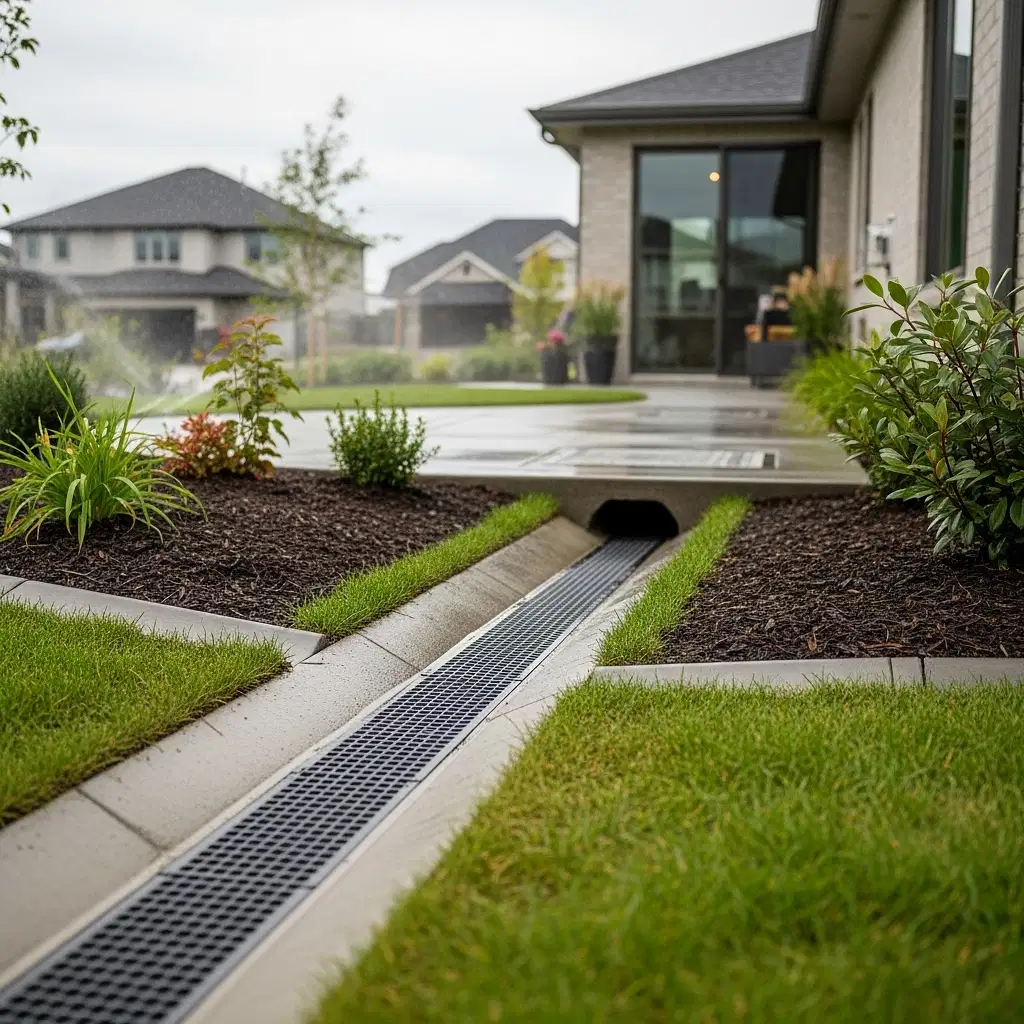
The Groundwork: Expert Excavation and Grading
The most labor-intensive and technically demanding phase of creating a rain garden is the initial site work. This is where specialized knowledge and equipment make all the difference.
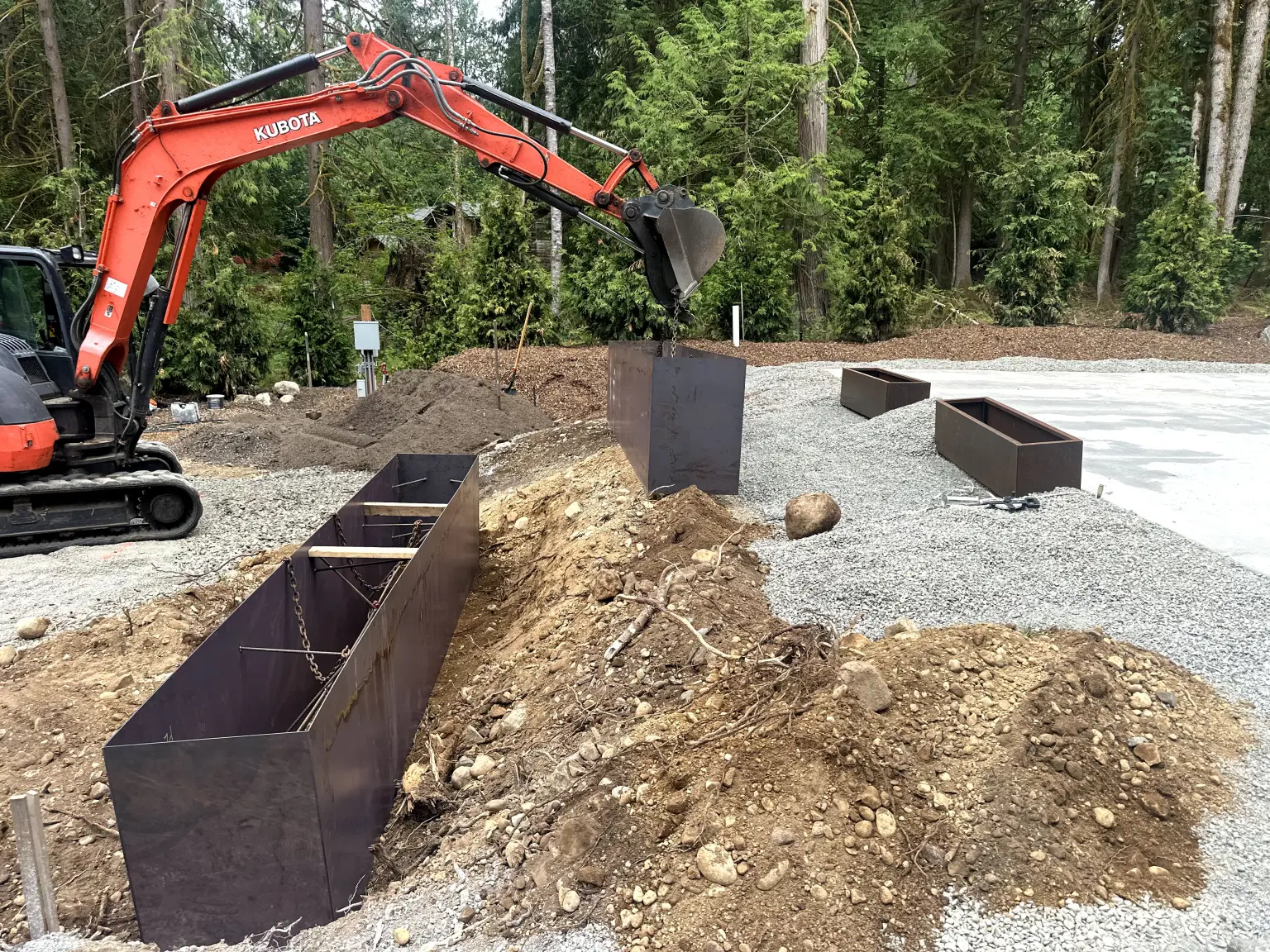
1. Strategic Excavation: The first step is the careful excavation of the basin. The size and depth aren't arbitrary; they're calculated based on the size of the runoff area (like your roof) and your soil's infiltration rate. A professional team ensures the excavation is done safely, avoiding underground utilities, and to the precise specifications needed for optimal water storage. Too shallow, and it will overflow during a heavy downpour; too deep, and it may not drain effectively.
2. Precision Land Grading: Once the basin is excavated, the surrounding area needs to be properly graded. Land grading is the art and science of shaping the earth to ensure water flows exactly where you want it to go. We carefully contour the land to gently guide runoff from its source directly into the rain garden. This prevents water from pooling elsewhere in your yard and protects your home's foundation from excess moisture. Proper grading is the key to preventing future drainage and erosion damage and is a critical step that requires professional expertise.
Building the Layers for Long-Term Health
With the earthwork complete, the next phase is to build the foundation that will support plant life and ensure proper water filtration for years to come. A rain garden isn't filled with standard topsoil; it requires a specific, engineered mix designed for both drainage and plant health.
The process typically involves:
- Creating a Drainage Layer: In areas with heavy clay soil, a base layer of gravel may be necessary to improve infiltration and prevent the garden from becoming waterlogged.
- Installing the Bioretention Soil Mix: This is a special blend of sand, compost, and topsoil. The sand ensures water drains through quickly, while the compost provides essential nutrients for the plants and helps filter out pollutants. This engineered soil is the heart of the rain garden's functionality.
- Adding Mulch: A top layer of mulch helps retain moisture for the plants during our drier summer months, suppresses weeds, and prevents the soil surface from crusting over, which could impede water absorption.
This carefully layered system is a proactive form of drainage repair, creating a designated, effective place for water to go. It’s a sustainable solution that works with our local climate, not against it.
Start Your Rain Garden on Solid Ground
A rain garden is a fantastic investment in your property and our local PNW environment. It adds beauty, creates a habitat for pollinators, and provides a powerful, natural solution to stormwater management. But to reap these benefits, the project must start with a solid, professionally prepared foundation.
At Saylor Landscaping, we specialize in the foundational work that makes beautiful landscapes possible. Our expertise in excavation, land grading, and drainage solutions ensures that your rain garden is built to last and function flawlessly. If you're considering adding a rain garden to your Seattle-area property, let's talk about getting the groundwork right. Contact us today for a consultation on your site preparation needs.