Taming the Slope: A Guide to Retaining Walls for Your PNW Yard
The beautiful, rolling terrain is one of the defining features of living in the Pacific Northwest. While these hills and slopes provide stunning views, they can also create significant challenges for homeowners. A sloped backyard often means unusable space, drainage problems, and constant battles with soil erosion, especially with our famous PNW drizzle. But what if you could see that challenging slope not as a problem, but as an opportunity? With thoughtful planning and expert construction, a retaining wall can transform your hillside into a functional, beautiful, and valuable part of your home. Here in the greater Seattle area, we specialize in turning tricky topography into stunning landscapes. This guide will walk you through the key considerations for planning a retaining wall that will stand the test of time and unlock your property's full potential.
More Than Just a Wall: The Benefits of Taming Your Slope
A well-built retaining wall is a powerful landscaping tool that does much more than simply hold back soil. It’s a foundational element that can completely redefine your outdoor living experience.
- Create Usable Space: This is the most significant benefit. A retaining wall carves out level, functional areas from a previously unusable slope. Imagine a flat lawn for kids to play on, a stable base for a new patio perfect for summer barbecues, or a series of garden beds for growing your own vegetables.
- Control Erosion and Manage Water: Our region's persistent rain can wreak havoc on sloped yards, washing away valuable topsoil and threatening your home's foundation. Retaining walls are a frontline defense against erosion. When designed correctly with proper drainage systems, they help manage stormwater runoff, preventing soggy lawns and protecting your landscape. This can even be integrated with features like a rain garden to create a sustainable solution.
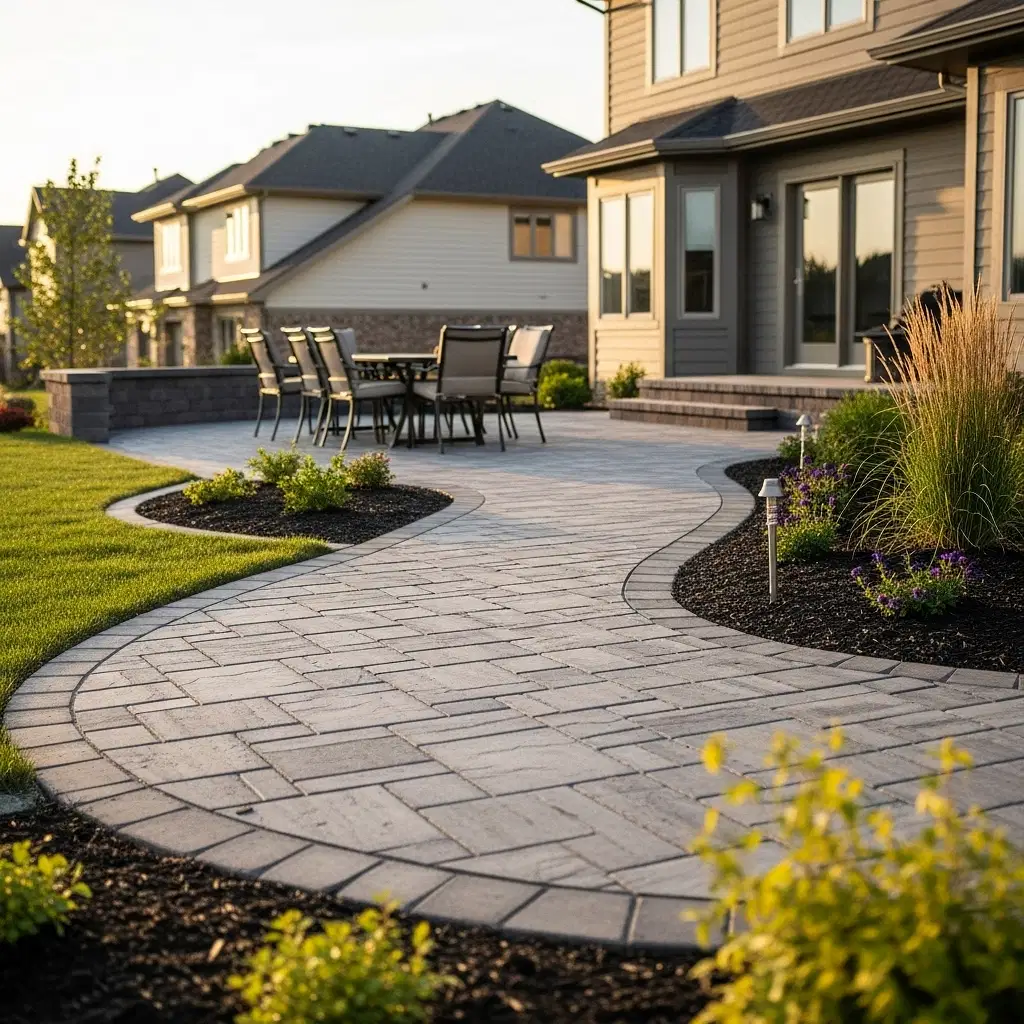
- Add Aesthetic Value and Curb Appeal: Retaining walls add structure, dimension, and visual interest to your property. They can be built from a variety of materials, from natural stone to modern concrete blocks, to complement your home's architecture. This kind of significant hardscaping investment not only enhances your enjoyment of the space but also increases your property's value.
Planning Your Project: Key Considerations Before You Build
Before breaking ground, a successful retaining wall project requires careful planning. Answering these questions will help ensure your wall is not only beautiful but also safe and effective. The cost of building a retaining wall can vary widely, and thinking through these factors will help you establish a realistic budget.
-
Define the Purpose: What is the primary goal? Are you looking to support a driveway, create a small garden planter, or build a large patio? The height and load requirements of the wall will dictate its design, materials, and whether an engineer's stamp is needed. In many local municipalities, walls over four feet tall require special permits.
-
Choose Your Materials: The material you choose impacts the wall's look, longevity, and cost.
- Concrete Blocks: Versatile, durable, and available in many styles and colors. They are a popular and cost-effective choice for many homeowners.
- Natural Stone: Offers a timeless, organic look that blends seamlessly into the PNW landscape. While often more expensive, the result is a unique and stunning feature.
- Timber/Wood: Can provide a rustic feel, and options like cedar are naturally resistant to our damp climate. However, wood has a shorter lifespan than stone or concrete.
-
Prioritize Drainage: This is non-negotiable in our climate. Without a proper drainage system, water pressure (hydrostatic pressure) will build up behind the wall, causing it to bulge, crack, or even fail. A professional installation always includes a system of gravel backfill, perforated pipes, and weep holes to safely channel water away.
For Steeper Slopes: The Power of Terracing
For properties with a significant grade, a single, tall retaining wall may not be the safest or most practical solution. This is where terracing comes in. Terracing involves creating a series of shorter, stepped retaining walls to break up a steep slope into multiple, manageable levels.
This approach offers several advantages. It's often more stable and effective at controlling erosion on steep hillsides. Aesthetically, it creates incredible opportunities for dynamic garden design, allowing you to create different 'rooms' or planting zones on each level. You can incorporate steps, pathways, and unique microclimates for different types of plants, turning a challenging hill into the most interesting part of your garden.
Why Professional Installation is Crucial
While a small, decorative garden wall might be a DIY project, any structural retaining wall requires professional expertise. Building a wall that is safe, effective, and durable involves a deep understanding of soil mechanics, water management, and proper construction techniques.
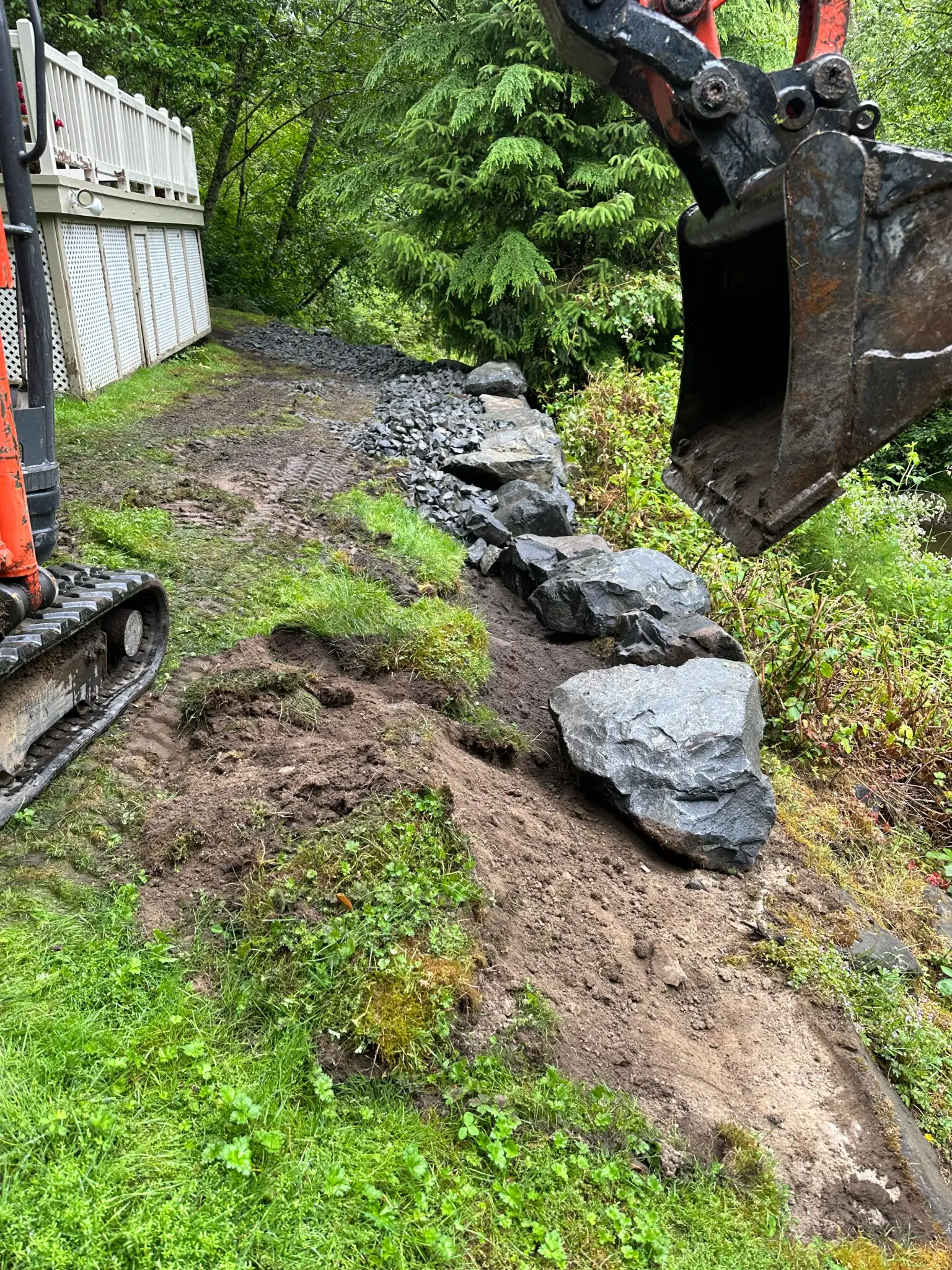
The process begins long before the first block is laid. It requires a thorough site assessment, precise land grading, and expert excavation to create a compacted, level base. An improperly prepared foundation is the number one cause of wall failure. With over two decades of experience in excavation and earth-moving, we understand exactly what it takes to build a retaining wall that will stand strong against the forces of nature for years to come.
Reclaim Your Yard with Saylor Landscaping
Don't let a sloped yard limit your outdoor living possibilities. A professionally designed and installed retaining wall is an investment that pays dividends in usability, beauty, and property value. By carefully considering your goals and working with experienced professionals, you can transform that challenging hillside into a stunning and functional landscape.
Ready to unlock the potential of your sloped property in the Seattle area? Contact Saylor Landscaping today for a consultation. We’ll help you explore your options for our expert retaining wall, terracing, and hardscaping services and create a plan to reclaim your yard.