Preventing Hardscape Settling with Proper Excavation
Investing in a new outdoor living space is an exciting milestone for any homeowner. Whether you are envisioning a sprawling multi-tiered patio or a sturdy stone pathway, these additions transform the way you experience your property. However, one of the most common questions we hear from clients is about the difference between landscaping and hardscaping. While landscaping generally involves the living elements of your yard—like plants, trees, and lawns—hardscaping refers to the permanent, non-living structures built into your environment.
Because these structures are heavy and permanent, they require an incredibly stable foundation. Unfortunately, many homeowners around the Sound have experienced the heartbreak of a beautiful new patio becoming uneven just a few seasons after installation.
When a hardscape project fails, it usually isn't because of the paving stones or the retaining wall blocks themselves. The true culprit lies hidden beneath the surface. Preventing uneven hardscape settling comes down to one critical, often overlooked step: professional excavation and site preparation. Let's explore why getting the groundwork right is the only way to protect your investment.
The Hidden Danger of Sinking Pavers
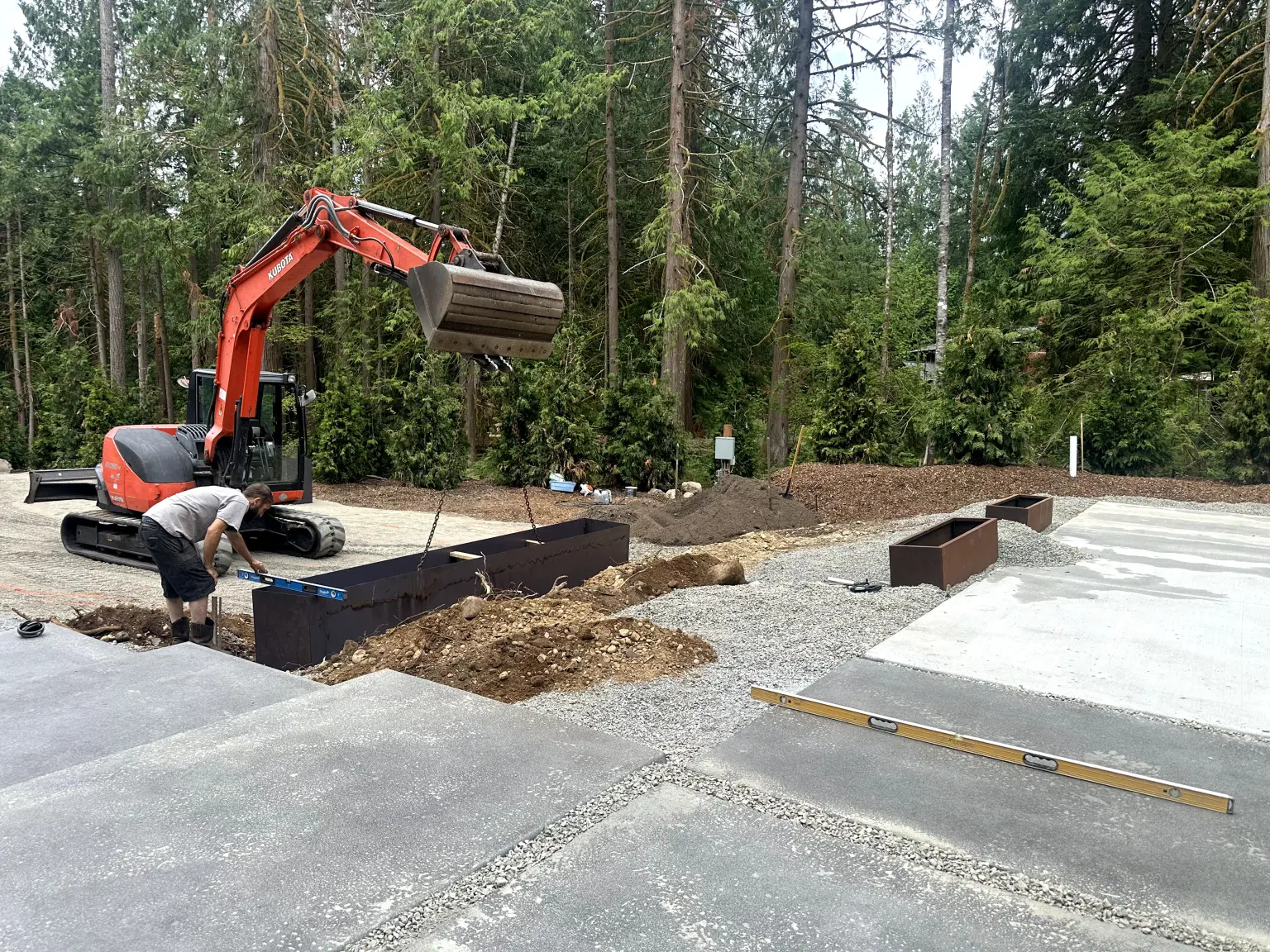
It is incredibly frustrating to spend your hard-earned money on a beautiful outdoor feature, only to watch it shift, crack, or hold standing water after a heavy rainstorm. Sinking pavers and leaning walls are more than just an eyesore; they create tripping hazards and can even direct water toward your home's foundation, leading to costly drainage repair issues.
So, what causes this? In most cases, it is a lack of proper site preparation. Soil naturally expands and contracts with moisture and temperature changes. If a patio or walkway is installed directly over unprepared soil, or if the initial digging wasn't deep or thorough enough, the earth beneath will eventually move. This movement displaces the materials above it.
When we talk about preventing pavers from sinking and shifting, we are really talking about replacing unpredictable topsoil with a predictable, engineered foundation. This process requires specialized heavy machinery, precise measurements, and a deep understanding of local soil compositions. Cutting corners here to save a little time or money upfront almost always guarantees expensive repairs down the road. In an era where the costs of materials are steadily rising, getting the job done right the first time is crucial for your wallet.
The Science of the Subbase: Depth and Compaction
Building a lasting patio or retaining wall involves more than just digging a shallow hole and pouring some gravel. It requires a mathematical approach to dirt.
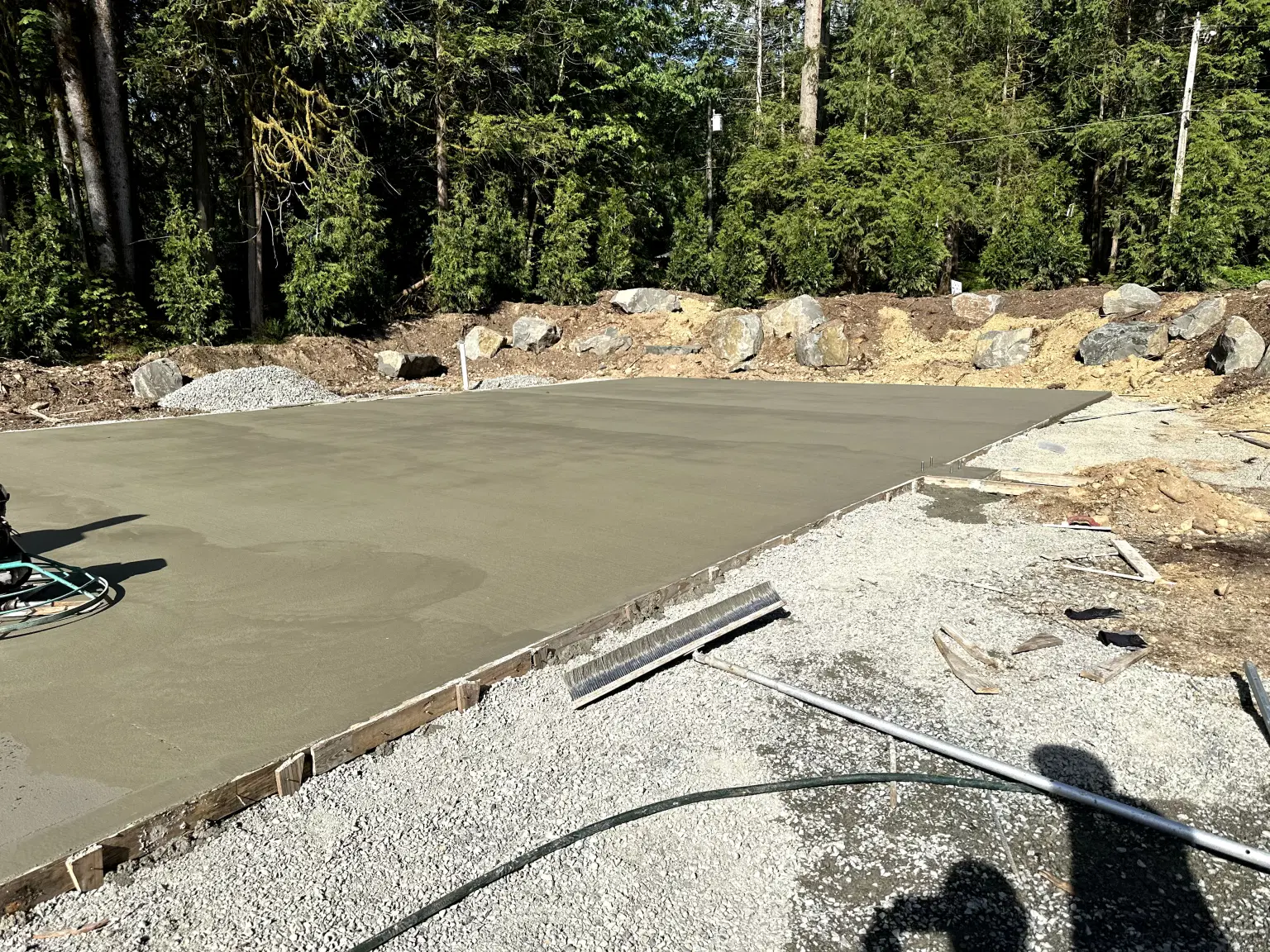
First, we have to determine the proper excavation depth for patio subbase materials. This depth varies depending on what the space will be used for. A standard pedestrian walkway might require six to eight inches of excavation, while a driveway that needs to support the weight of vehicles could require twelve inches or more. We have to remove all the organic topsoil, roots, and clay until we reach a stable subgrade. In many urban and suburban neighborhoods, this step is complicated by limited space, which is where specialized tight-quarter excavation equipment becomes invaluable.
Once the right depth is reached, the focus shifts to subgrade soil compaction for hardscapes. Before any gravel is even introduced, the bare earth itself must be compacted using heavy vibratory plate compactors. If the soil is too dry, it won't bind; if it's too wet, it turns to mud.
After the native soil is prepped, we bring in crushed gravel (the subbase) in layers. We compact each layer individually—usually in two-inch increments—to ensure there are no hidden air pockets. This tightly locked gravel foundation is what actually supports the weight of your hardscaping materials. It allows rainwater to drain through safely without washing away the foundation, completely neutralizing the natural shifting of the earth below.
How to Choose a Reliable Landscaping Contractor
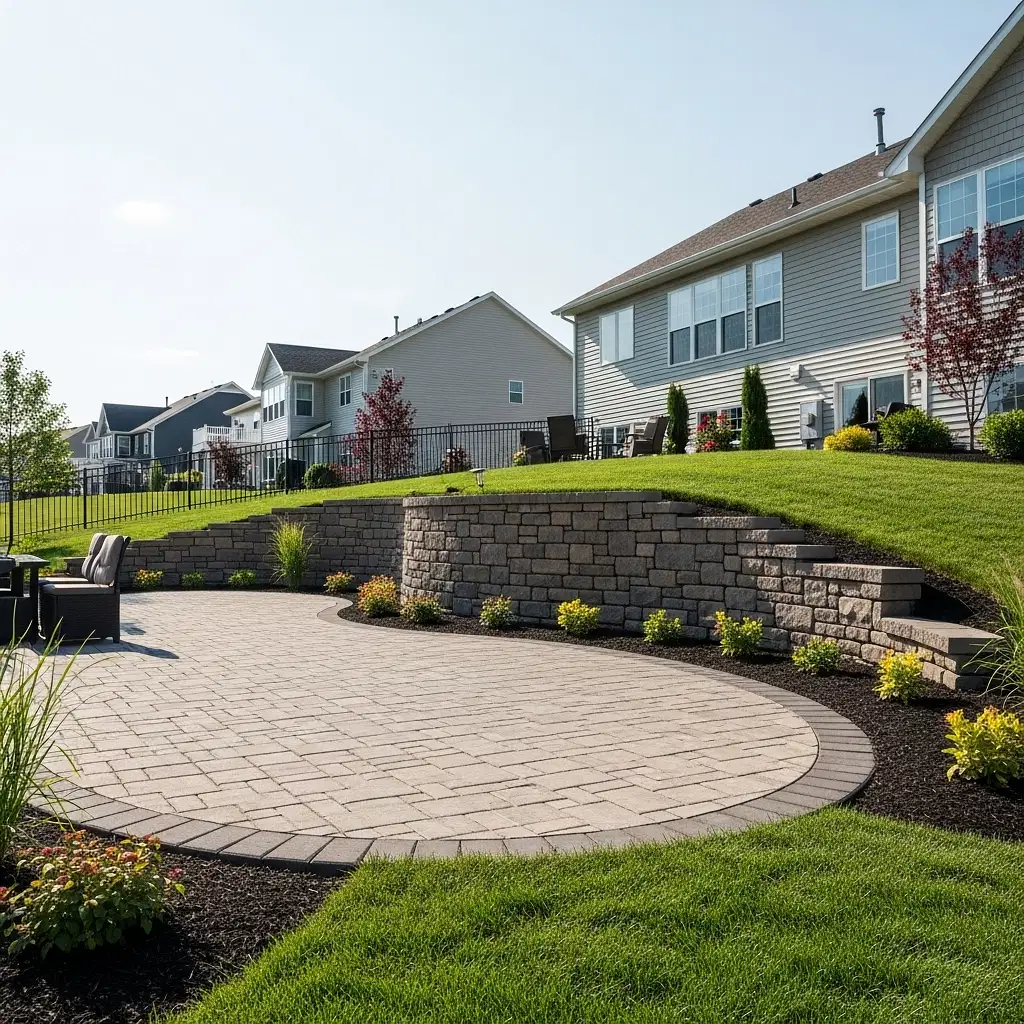
Understanding the importance of excavation is only half the battle; the other half is finding a team you can trust to execute it. When consumers ask how to choose a reliable and licensed landscaping contractor, we always emphasize transparency and experience.
With over two decades of experience navigating complex land grading and tight quarter excavation jobs, Saylor Landscaping has seen what happens when site prep is rushed. We believe that true professionalism means being honest with you from the very first consultation.
A reputable contractor should be able to clearly explain their excavation process, provide transparent pricing, and offer realistic budgeting based on the unique challenges of your property. They should not rely on high-pressure sales tactics. Instead, they should offer tailored options that respect your budget while refusing to compromise on the structural integrity of the project. Always look for a company that is fully licensed, carries comprehensive insurance, and has a proven track record of handling the heavy-duty machinery required for proper site preparation.
Laying the Groundwork for Your Dream Yard
Your outdoor living space should be a source of relaxation, not a source of stress. By prioritizing proper depth, thorough compaction, and professional excavation, you ensure that your investment will stand the test of time, weather, and foot traffic.
If you are a homeowner on the Eastside or in the surrounding communities planning a new outdoor project, don't let a poor foundation ruin your vision. The team at Saylor Landscaping is here to help you build from the ground up, the right way.
Ready to get started on a project that is built to last? Contact us today to discuss your hardscaping and excavation needs, and let us provide an honest, transparent consultation for your home.